Still Working After Months? Here's Why Your Hemp Gummies Don't Need a Bigger Dose

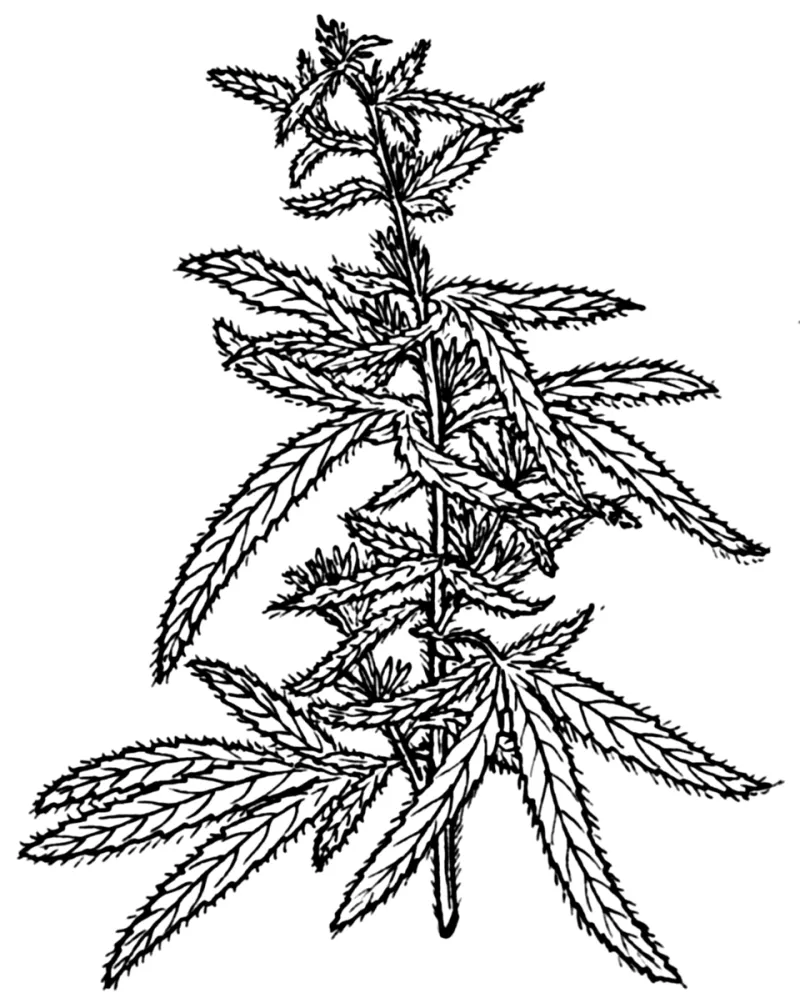
Photo: PattayaPatrol, CC BY-SA 4.0, via Wikimedia Commons
At some point, almost every regular hemp gummy user has the same thought: Does this not feel as strong as it used to? And almost immediately, the follow-up thought arrives: Maybe I need to take more.
It's a natural assumption — one that's been baked into how we think about supplements and medications in general. More time using something equals more tolerance equals needing more of it to get the same effect. Makes sense, right?
Not quite. When it comes to hemp-derived CBD, the tolerance picture is a lot more nuanced — and a lot more forgiving — than most people expect. Let's dig into what's actually going on.
The Tolerance Conversation Nobody's Having Honestly
Tolerance, in the pharmacological sense, refers to a process where your body adapts to a substance over time, gradually requiring higher doses to produce the same response. It's a real phenomenon with certain compounds — particularly those that bind directly and repeatedly to specific receptors in the brain.
Here's where hemp gets interesting. CBD doesn't work quite the same way. Rather than binding tightly to cannabinoid receptors like THC does, CBD operates more indirectly — influencing the endocannabinoid system (ECS) by modulating receptor activity, interacting with enzymes, and affecting a range of other signaling pathways. That indirect mechanism matters, because it's one reason why classic tolerance development is less of a concern with CBD than with many other substances.
In fact, some early research suggests CBD may actually work in the opposite direction — a phenomenon sometimes called reverse tolerance, where consistent use over time makes your ECS more sensitive and responsive, potentially allowing you to maintain results with the same dose or even a slightly lower one. The science is still developing here, but it's a compelling reason to pump the brakes before assuming you need to double your daily gummies.
So Why Does It Feel Like It's Not Working Anymore?
If true tolerance is less of a concern, what explains that feeling of diminishing returns that some users experience? A few things worth considering:
Your baseline shifted. This one's easy to miss. If you started taking hemp gummies because you were dealing with elevated stress, disrupted sleep, or physical discomfort, and those things have genuinely improved — your body's starting point is different now. The gummies may be doing exactly what they were doing before, but the contrast between before and after is smaller because your baseline is better. That's not failure. That's success.
The placebo-and-expectation effect. Early on, there's often a novelty factor — you're paying close attention to how you feel, you're curious, and that heightened awareness can amplify perceived effects. Over time, as hemp gummies become part of your everyday routine, you stop noticing the subtle ways they're supporting you. This isn't a pharmacological shift; it's just how human attention works.
Lifestyle changes are competing. Sleep, stress, diet, exercise — all of these dramatically influence how your ECS functions and how your body responds to hemp. If your sleep has gotten worse, your stress has spiked, or your diet has shifted, you might feel like your gummies aren't performing. But the real variable may have nothing to do with the gummies themselves.
Product consistency issues. Not all hemp gummies are created equal, and batch-to-batch consistency matters more than a lot of brands admit. If a product you've been using changes suppliers, reformulates, or lets quality controls slip, you might genuinely be getting a different dose than you think. This is one more reason to stick with brands that publish third-party lab results for every batch.
The Case for Strategic Cycling
Even if true tolerance isn't the villain here, there's still a solid argument for occasionally taking a short break from your hemp routine — not because you need to, but because it can be a useful reset.
A three-to-seven day break every few months can give your ECS a chance to recalibrate. Many users who try this report that when they return to their regular dose, they notice the effects more acutely again — not because the gummies got stronger, but because their awareness of the baseline contrast is sharper. Think of it less like a medical necessity and more like the way taking a vacation makes coming home feel fresh.
This kind of intentional cycling also helps you stay honest with yourself about whether hemp is genuinely serving you. If you take a week off and feel noticeably different, that's useful information. If nothing much changes, that's useful information too.
Lifestyle Factors That Quietly Amplify Your Results
If you want to get more out of your hemp gummies without touching the dose, the most underrated move is optimizing what surrounds them. Your endocannabinoid system doesn't operate in isolation — it's deeply connected to your overall physiology.
Timing and food matter. CBD is fat-soluble, which means taking your gummies alongside a meal that contains healthy fats — avocado, nuts, olive oil — can meaningfully improve absorption. Some users who switch to taking their gummies with food rather than on an empty stomach report noticeably better results from the exact same dose.
Sleep is foundational. Your ECS is most active during sleep, which is when your body produces its own endocannabinoids. Chronic sleep deprivation can blunt the system's responsiveness. If your hemp gummies feel less effective, a sleep audit is worth doing before bumping up your dose.
Movement supports the ECS. Exercise — even moderate aerobic activity — is one of the few things shown to boost endocannabinoid production naturally. Regular movement and hemp gummies can work in a genuinely complementary way.
Stress management is non-negotiable. Chronic stress taxes the ECS over time. If your stress load has increased, your body may need more support across the board — but the answer there isn't necessarily more CBD. It might be meditation, therapy, better boundaries, or simply more rest.
When a Dose Adjustment Actually Does Make Sense
None of this is to say that your dose should never change. Bodies change. Circumstances change. If you've experienced significant weight fluctuation, a major health shift, or a genuinely new source of physical or emotional stress, revisiting your dose with a healthcare provider is a reasonable conversation to have.
The key difference is why you're considering a change. Adjusting based on a thoughtful assessment of your current needs is smart. Adjusting because you've convinced yourself that more is always better — that's where people tend to overshoot and overcomplicate something that was working fine.
The Bottom Line
Here at Element Organics, we believe in hemp wellness that's sustainable — not a constant chase for a higher number. The goal isn't to take as much as possible. It's to find the amount that supports your system consistently, and then protect the conditions that let it keep doing that.
Your body is smarter than the tolerance myth gives it credit for. Before you reach for an extra gummy, ask yourself what else might have shifted. The answer might save you a lot of second-guessing — and a lot of money.