Seed to Shelf: What You Really Need to Know Before Buying Hemp Gummies in the US
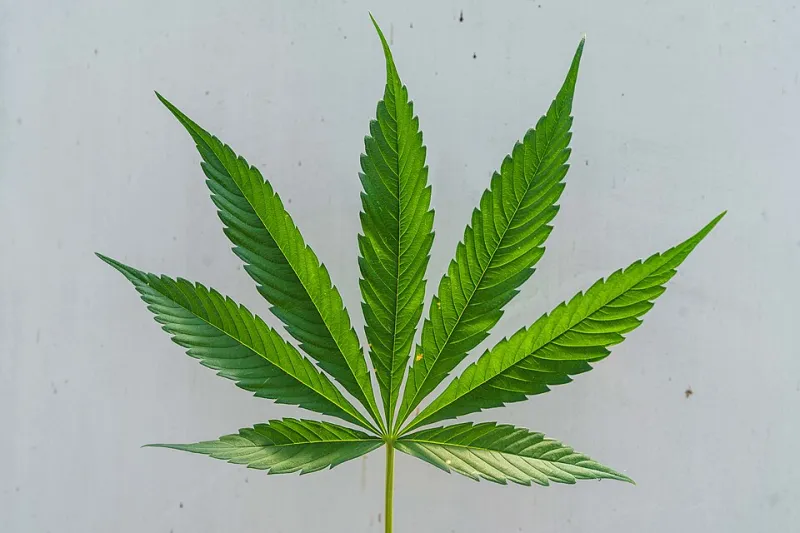
Photo: USDAgov, Public domain, via Wikimedia Commons
Walk into any health food store or scroll through any wellness website right now, and you'll find no shortage of hemp products competing for your attention. Bold claims, bright packaging, buzzwords like "full spectrum" and "nano-enhanced" — it can feel overwhelming, even for seasoned supplement shoppers. But here's the thing: the quality of a hemp gummy isn't determined by its label. It's determined by decisions made months earlier, in a field, by a farmer.
That's not just poetic language. It's practical reality. The soil hemp is grown in, the farming methods used, the way the plant is harvested and processed — all of it flows directly into the final product you're putting in your body. So if you care about what you're consuming (and you should), it pays to understand the full journey.
Why Organic Hemp Farming Is Different
Hemp — the variety of Cannabis sativa grown specifically for industrial and wellness applications — is what scientists call a bioaccumulator. In plain English, that means the plant is remarkably efficient at absorbing whatever is in the soil around it. That's actually been studied as a potential environmental cleanup tool, since hemp can pull heavy metals and toxins out of contaminated ground.
Now think about what that means for your gummy.
If hemp is grown in soil treated with synthetic pesticides, herbicides, or chemical fertilizers, there's a meaningful chance those compounds end up concentrated in the plant material — and eventually in the extract used to make your supplement. Organic farming practices eliminate that risk by prohibiting synthetic inputs and focusing on soil health, crop rotation, and natural pest management.
In the US, certified organic hemp must meet the standards set by the USDA's National Organic Program (NOP). That certification isn't handed out lightly — it requires detailed record-keeping, regular inspections, and a three-year transition period for land previously treated with prohibited substances. When you see a certified organic label on a hemp product, it represents a genuine commitment, not just marketing language.
Where US Hemp Comes From — and Why It Matters
Since the 2018 Farm Bill federally legalized the cultivation of industrial hemp across the United States, the domestic hemp industry has exploded. Today, hemp is grown commercially in dozens of states, with particularly strong production in Colorado, Oregon, Kentucky, Montana, and the Carolinas.
Each region brings something different to the table. Colorado's high-altitude, sun-drenched growing conditions produce hemp with notably robust cannabinoid profiles. Kentucky, with its long agricultural heritage and rich limestone-filtered soil, has become a powerhouse for high-quality CBD hemp, drawing on generations of farming expertise. Oregon's regulated agricultural environment and emphasis on sustainable practices make it a go-to source for premium organic cultivation.
For consumers, domestic sourcing matters for several reasons beyond regional pride. US-grown hemp is subject to federal and state agricultural oversight — meaning there are actual regulatory frameworks governing how it's produced. Imported hemp, by contrast, may come from countries with far less rigorous standards and far less transparency. When a brand sources from American farms, you have a clearer chain of accountability.
From Plant to Extract: Understanding the Processing Pipeline
Once hemp is harvested — typically in the fall, after the plant's cannabinoid content has peaked — it undergoes extraction to isolate the beneficial compounds. This is where another major quality fork in the road appears.
CO2 Extraction is widely considered the gold standard. Using pressurized carbon dioxide as a solvent, this method pulls cannabinoids and terpenes from the plant material without introducing any chemical residues. It's expensive and technically demanding, but the resulting extract is clean, consistent, and highly controllable.
Ethanol Extraction is another legitimate method, using food-grade alcohol as the solvent. When done properly, it can produce high-quality extracts, though it requires careful post-processing to remove solvent traces.
Hydrocarbon Extraction (using butane or propane) is less desirable for wellness products, as residual solvents are harder to eliminate and can pose health concerns.
Once extracted, hemp oil is typically formulated into one of three product types:
- Full Spectrum: Contains the full range of cannabinoids, terpenes, and other plant compounds found in hemp, including trace amounts of THC (under 0.3%). Many researchers believe these compounds work synergistically — a phenomenon often called the "entourage effect."
- Broad Spectrum: Similar to full spectrum but with THC removed through additional processing. A popular choice for people who want the entourage effect without any THC presence.
- Isolate: Pure CBD with all other plant compounds removed. Highly consistent and THC-free, but may lack some of the synergistic benefits of the full plant.
Third-Party Testing: The Non-Negotiable
Here's where we get to the most important thing you can look for when evaluating any hemp product: independent, third-party lab testing.
The hemp supplement industry is not as tightly regulated as pharmaceuticals. The FDA has not approved CBD as a dietary supplement (though it regulates certain claims brands can make), which means the burden of quality verification largely falls on the companies themselves — and on informed consumers.
Reputable brands submit their products to accredited, independent labs — completely separate from the company — for analysis. A Certificate of Analysis (COA) from one of these labs should confirm:
- Cannabinoid potency: Does the product actually contain what the label says it does? Studies have found significant discrepancies between labeled and actual CBD content in some products on the market.
- Absence of pesticides and herbicides: Particularly important if the product isn't certified organic.
- Heavy metal screening: Given hemp's bioaccumulative nature, this is essential.
- Residual solvent testing: To confirm extraction was clean.
- Microbial contamination testing: Mold, bacteria, and other pathogens can be a concern in plant-based products.
A trustworthy brand will make these COAs easily accessible — either on their website via scannable QR codes or through a dedicated lab results page. If you can't find third-party test results for a product you're considering, that's a significant red flag.
Decoding the Label: A Quick Shopper's Checklist
Next time you're evaluating a hemp gummy product, run through this quick checklist:
✅ Is the hemp USDA certified organic or sourced from certified organic farms? Look for the official USDA Organic seal or clear documentation of organic sourcing.
✅ Is the hemp grown in the United States? Domestic sourcing means better regulatory oversight and supply chain transparency.
✅ What extraction method was used? CO2 or clean ethanol extraction are preferred.
✅ Is there a current, accessible Certificate of Analysis from an independent lab? Check the date — COAs should be recent, ideally from the current production batch.
✅ Does the label clearly state the CBD content per serving? Vague language like "hemp extract" without potency disclosure is a warning sign.
✅ What other ingredients are in the gummy? Organic, recognizable ingredients are a good sign. Long lists of artificial additives, not so much.
Why This All Connects to You
Choosing an organic hemp gummy isn't just about personal health — though that's reason enough. It's also about supporting a more responsible, sustainable agricultural system. Organic hemp farming builds healthier soil, reduces chemical runoff into waterways, and supports the kinds of small and mid-size American farms that are the backbone of rural communities.
At Element Organics Hemp Gummies, transparency isn't an afterthought — it's baked into everything we do. We're committed to sourcing from certified organic US hemp farms, using clean extraction methods, and making our third-party lab results available to every customer. Because we believe you deserve to know exactly what you're putting in your body, from the very first seed planted in American soil to the gummy you pop before bed.
Shopping smart means asking better questions. And now you know exactly which ones to ask.