What Sleep Specialists Actually Think About Hemp Gummies vs. Sleep Medications

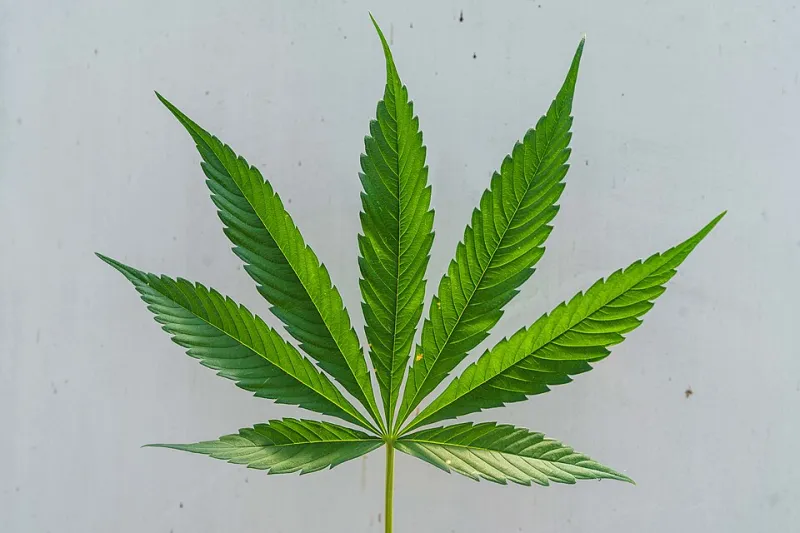
Photo: rachel CALAMUSA at the Wayback Machine, CC BY-SA 2.0, via Wikimedia Commons
Millions of Americans lie awake every night staring at the ceiling. According to the CDC, roughly one in three U.S. adults doesn't get enough sleep on a regular basis — and the pharmaceutical industry has built a multibillion-dollar empire trying to fix that. But something is shifting. More and more people are walking into their doctors' offices asking about hemp-derived wellness products, and sleep specialists are paying attention.
So what do the experts actually say? We did the digging so you don't have to.
The Prescription Sleep Aid Landscape (And Its Baggage)
Drugs like zolpidem (Ambien), eszopiclone (Lunesta), and benzodiazepines have long been the go-to tools in a sleep physician's kit. They work — there's no question about that. But the conversation around them has grown increasingly complicated.
Dr. Angela Hollis, a board-certified sleep medicine physician practicing in Chicago, puts it plainly: "The efficacy of these medications is well-documented, but so are the risks. Dependency, next-day grogginess, cognitive impairment, and rebound insomnia when patients try to stop — these are real concerns I discuss with patients every single week."
The American Academy of Sleep Medicine (AASM) has noted that while pharmacological treatments can be effective short-term, chronic use raises flags. A 2019 study published in the Journal of Clinical Sleep Medicine found that long-term benzodiazepine use was associated with increased risk of falls, memory problems, and in older adults, a potential link to cognitive decline. These aren't fringe concerns — they're central to why so many patients are looking for something different.
Enter Hemp-Derived Wellness Products
CBD (cannabidiol), the non-psychoactive compound found in hemp plants, has been studied for its potential role in anxiety reduction and sleep improvement. Unlike THC, it won't get you high. And unlike prescription sleep aids, it doesn't carry an FDA black-box warning.
Here's what the research currently shows:
- A 2019 study in The Permanente Journal followed 72 adults with anxiety and poor sleep. After one month of CBD use, 66.7% reported improved sleep scores.
- A 2021 review published in Cannabis and Cannabinoid Research analyzed multiple studies and found that CBD may help reduce anxiety-related sleep disturbances by interacting with the body's endocannabinoid system.
- Research suggests CBD may influence serotonin receptors and GABA activity — two pathways that are also targeted by conventional sleep medications, but through a gentler mechanism.
Dr. Marcus Webb, a sleep researcher affiliated with a university sleep clinic in Austin, Texas, told us: "I wouldn't call CBD a replacement for prescription therapy in severe cases of insomnia. But for patients with mild to moderate sleep disruption — particularly anxiety-driven sleeplessness — I think it's a conversation worth having. The side effect profile is substantially more favorable."
Side Effects: A Real Comparison
Let's put this side by side.
Common side effects of prescription sleep aids:
- Next-day drowsiness and impaired driving ability
- Sleepwalking and other parasomnia behaviors
- Dependency and withdrawal symptoms
- Memory lapses
- Interactions with alcohol and other medications
Commonly reported side effects of CBD:
- Mild fatigue (often considered a benefit in a sleep context)
- Dry mouth
- Possible interactions with blood thinners
- Mild digestive discomfort at high doses
The FDA has approved one CBD-based medication — Epidiolex — for seizure disorders, which means the compound has cleared at least some regulatory scrutiny. However, the FDA has not approved CBD as a sleep aid specifically, and it's important to approach any wellness product with realistic expectations.
What This Means for Your Nightly Routine
The sleep specialists we spoke with weren't dismissing hemp-derived products — they were asking for more rigorous clinical trials. That's a fair ask. The existing research is promising but still preliminary in terms of large-scale, randomized controlled studies specifically targeting insomnia.
What they were unanimous about: sleep hygiene matters more than any supplement or medication. Consistent sleep schedules, limiting screen time before bed, keeping your bedroom cool and dark — these fundamentals haven't changed.
But within a broader sleep wellness strategy, hemp gummies can play a meaningful supporting role. Products like those from Element Organics are made with organically grown hemp, third-party tested for potency and purity, and free from the synthetic additives that complicate the prescription medication picture.
Making an Informed Choice
If you're considering making a switch — or adding a hemp-derived product to your existing routine — here are a few things sleep specialists recommend:
- Talk to your doctor first, especially if you're currently on prescription sleep aids or any other medications.
- Start with a lower dose and give it at least two to three weeks to assess how your body responds.
- Look for third-party tested products with a clear certificate of analysis (COA) so you know exactly what you're getting.
- Don't abandon sleep hygiene basics — no supplement works in a vacuum.
The bottom line? Hemp gummies aren't a magic cure, and they're not trying to be. But for a growing number of Americans who are wary of the dependency risks and side effects attached to prescription sleep medications, they represent a genuinely compelling natural alternative worth exploring — with your eyes wide open and your doctor in the loop.
At Element Organics, we believe real wellness starts with real information. That means giving you the science, the expert opinions, and the honest context to make decisions that work for your life — not just your medicine cabinet.