What Your Gummy Actually Smells Like — And Why That Tells You Everything About Quality
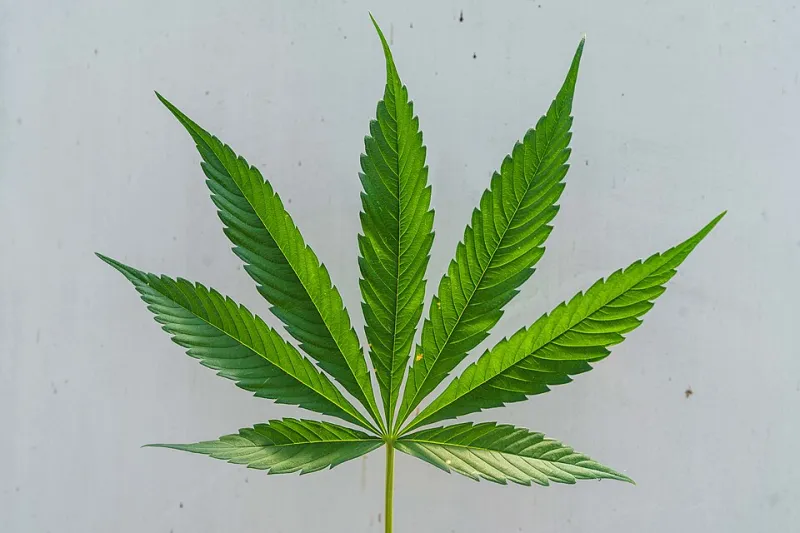
Photo: Mkf pm801, CC BY-SA 4.0, via Wikimedia Commons
Pick up a hemp gummy, take a slow breath through your nose, and pay attention. If you get a faint herbal warmth — something almost piney, maybe a little citrusy — that's not an accident. That's chemistry doing its job. And if you smell nothing but artificial strawberry? That's also telling you something.
We talk a lot about CBD in the hemp wellness world, but there's a whole supporting cast of compounds that rarely gets the spotlight it deserves: terpenes. These naturally occurring aromatic molecules are found throughout the plant kingdom — in lavender, citrus peel, black pepper, and yes, hemp. They're responsible for scent and flavor, but researchers are increasingly interested in what else they might be doing inside your body.
So What Exactly Are Terpenes?
Terpenes are organic compounds produced by plants, largely as a defense mechanism against insects and environmental stress. Hemp produces over 100 distinct terpenes, and the specific blend a plant develops depends on its genetics, growing conditions, and how it's harvested and processed.
Some of the most studied hemp terpenes include:
- Myrcene — earthy and musky, also found in mangoes and hops; associated with relaxation
- Linalool — floral and slightly spicy, the same compound that gives lavender its calming reputation
- Limonene — bright and citrusy, found in lemon rinds; often linked to mood elevation
- Beta-caryophyllene — peppery and woody; uniquely, it also interacts with CB2 receptors in the body's endocannabinoid system
- Pinene — fresh and foresty, common in pine needles; studied for its potential to support alertness and memory retention
None of this is fringe science. The National Institutes of Health has published multiple reviews on terpene pharmacology, and interest from the broader pharmaceutical and nutraceutical industries is growing steadily.
The Entourage Effect: When the Whole Is Greater Than the Sum
Here's where things get genuinely interesting for hemp gummy shoppers. There's a working theory in hemp research called the entourage effect — the idea that cannabinoids like CBD work more effectively when they're accompanied by the full spectrum of compounds naturally present in the plant, including terpenes and minor cannabinoids.
Think of it like a jazz band versus a single instrument. CBD solo can do its thing. But CBD alongside myrcene, linalool, and a handful of minor cannabinoids? The interaction between those elements may produce a richer, more nuanced wellness response than any single compound could on its own.
This is why the distinction between full-spectrum, broad-spectrum, and isolate formulations matters so much — and why terpene content is a meaningful indicator of product quality. A full-spectrum hemp extract preserves the plant's natural terpene profile through careful extraction. A poorly processed or artificially flavored product often strips those compounds away entirely.
Why Artificial Flavoring Should Make You Ask Questions
There's nothing inherently wrong with making a gummy taste good. But there's a difference between enhancing natural hemp flavor with complementary fruit notes and completely masking it with synthetic flavoring to cover up a low-quality extract.
When a gummy has zero detectable hemp character — no earthiness, no subtle botanical warmth — one of a few things has likely happened:
- The extract was heavily processed, stripping out terpenes and minor cannabinoids to produce a flavorless isolate
- The hemp content is minimal, and the product is riding on label claims rather than actual plant material
- Artificial flavors are being used at high concentrations to mask off-notes from poor-quality raw material
Authentic hemp flavor notes — even mild ones — are a reasonable signal that the terpene profile survived the extraction and formulation process. At Element Organics, we use full-spectrum hemp extracts specifically because we want those compounds intact. Yes, that means our gummies have a recognizable hemp character. We consider that a feature, not a flaw.
How to Read a Product for Terpene Quality
You don't need a chemistry degree to shop smarter. Here are a few practical checkpoints:
Look at the extract type on the label. Full-spectrum or broad-spectrum products are more likely to retain terpenes than isolate-based formulas. If the label just says "CBD" with no further detail, ask questions.
Check for a Certificate of Analysis (COA). A reputable brand will have third-party lab testing available. Some COAs now include terpene panel results alongside cannabinoid content — that's a gold standard worth looking for.
Trust your senses. Open the package. A quality full-spectrum gummy should have a faint but detectable botanical aroma. Not overwhelming, but present.
Be skeptical of "pure" claims paired with zero flavor. Purity in hemp extraction doesn't mean stripping everything out — it means starting with clean, organic plant material and preserving the valuable compounds through careful processing.
Why This Matters for Your Wellness Routine
If you're reaching for hemp gummies as part of a genuine wellness practice — not just as a trendy snack — then what's actually in that gummy matters. The terpene profile isn't a marketing detail. It's part of the reason hemp has attracted so much research attention in the first place.
At Element Organics, our commitment to full-spectrum formulations isn't just a positioning statement. It reflects a real belief that the hemp plant, grown cleanly and processed carefully, offers something more complete than isolated compounds can provide. That subtle earthy note in our gummies? That's the plant doing what it does naturally.
Next time you open a new bag, take a moment to actually smell what's inside. It might tell you more about quality than any marketing claim on the front of the package.